
A Reckoning with Niccolò Machiavelli
In the annals of human thought, few names stir the soul like Niccolò Machiavelli, a man whose quill scratched out truths too stark for his own time.
Born in Florence in 1469, he was a child of the Renaissance, that great awakening of art and intellect, yet his mind cut sharper than the marble chisels of Michelangelo. To ponder Machiavelli is to wrestle with a paradox: a man who loved his city, yet saw men as they are, not as they ought to be. His words, like a cold wind off the Arno, chill the heart but clear the mind.
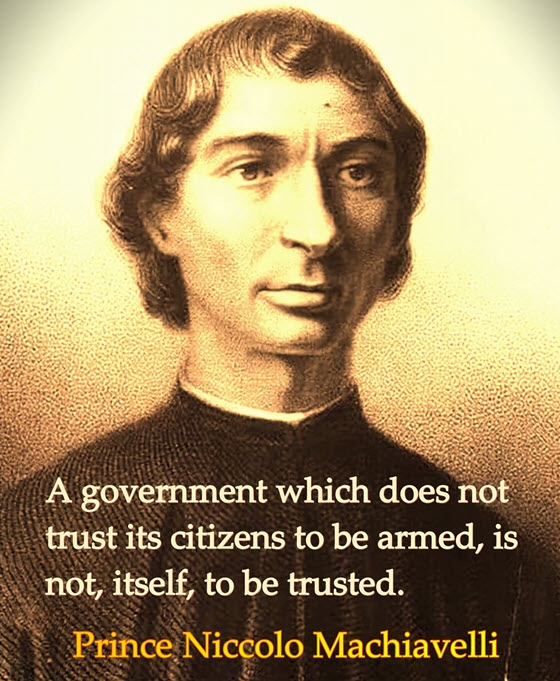 Machiavelli’s The Prince, that slim, searing treatise, is no mere manual for tyrants, as some would have it. It’s a mirror held up to power itself, reflecting its raw, unvarnished nature. He wrote not to glorify cruelty but to catalog it, to lay bare the gears and levers of rule. When he counsels a prince to be both lion and fox, to wield fear when love falters, he’s not preaching sin but observing survival. In his world, where Florence’s fortunes rose and fell like tides, a ruler’s misstep could drown a city. He saw the Medici, the Sforzas, the Borgias—men who played chess with human lives—and he took notes.
Yet there’s a melancholy in Machiavelli, a shadow cast by his own life. Exiled, tortured, cast out from the political stage he loved, he wrote The Prince not in triumph but in desperation, hoping to win favor and a return to Florence’s service. He never got it. That’s the tragedy of the man: a patriot who poured his soul into his city, only to be spurned by it. His other works—Discourses on Livy, his histories—show a broader mind, one that dreamed of republics strong as Rome’s, where virtue and civic duty could temper ambition. But it’s The Prince that haunts us, because it dares to speak what others whisper.
To read Machiavelli is to feel the weight of his realism, a realism forged in the fires of a fractured Italy. He knew men were capable of greatness—his Florence birthed Dante, after all—but he also knew they were prone to greed, betrayal, and folly. His advice to princes, to act decisively, to trust sparingly, feels like counsel for a world at war with itself. And wasn’t it? His Italy was a battlefield of popes and kings, where loyalty was a luxury few could afford.
Some call him cynical, but I reckon that’s too easy. Cynics mock; Machiavelli dissected. He loved Florence enough to tell it hard truths, to urge its leaders to be shrewd, not saintly. In that, he’s kin to the chroniclers of any hard-fought age—men who see the blood and mud of history and still find something worth salvaging. His legacy endures because power endures, and so does the need to understand it. We read him not to become Machiavellian, but to know the game we’re all playing, whether we like it or not.
In the end, Machiavelli’s no devil, no saint—just a man who stared into the heart of politics and wrote what he saw. His words, like old battle flags, still flutter in the winds of time, tattered but defiant, reminding us that to govern is to choose, and to choose is to live with the consequences.